
What is it?
Students listening to their form tutors read to them: that’s the heart of the programme.
What is its purpose?
To make our students better readers! We believe that sending students out into the world as confident, fluent and competent readers will have an immeasurable impact on their emotional well-being, roles in their communities and successes in adulthood.
How can my child become a better reader?
Please see our reading guide.
Our Reading Curriculum
We have chosen books that will:
- support students’ understanding of our curriculum
- expand their knowledge beyond our curriculum
- expose students to a more diverse set of ideas and characters than they experience in the national curriculum and GCSE specifications
Click here to find out which book your child is reading next: reading journeys by house
Year 7
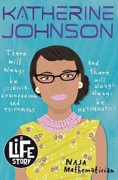
Katherine Johnson: A Life Story – students will delve into the life of the woman who used her mathematics to help to put humans on the moon, in an age where black females faced often insurmountable discrimination. We’ve chosen this book because it expands our students’ understanding of space travel, and social history in America, whilst also exposing them to an intimate account of a black woman trying to succeed in a white man’s world- and profession.

Facing Up by Bear Grylls – tracking the tale of Grylls’ ascent of Mount Everest, this is a thrilling adventure that’s also deeply spiritual. We’re keen for our students to develop an interest in the natural world, a thirst for adventure and a realisation that mountains aren’t something that can be ‘conquered’: some things are just more powerful than we are. This book does exactly that. God is with Bear every step of the way – and so are we! This book supports students in their humanities and biology lessons (it’s not easy on the lungs climbing Everest!) whilst also expanding their knowledge of the cultures of the Himalayas and climbing communities.
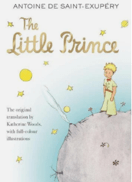
The Little Prince by Antoine de Saint-Exupéry – on the surface this is quite a straight-forward, fairy-tale but underneath it’s packed with life lessons and wise ideas that we hope will get our students really thinking about what matters to them. This book supports them with their reading of The Alchemist in year 7 English and reinforces the idea that the more we think about stories the more they can offer us.
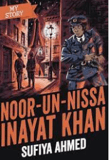
Noor-Un-Nissa Inayat Khan by Sufiya Ahmed – the thrilling story of British-Indian World War Two heroine Noor-un-Nissa Inayat Khan. This book will expose the truth about Churchill’s spies, support our students’ historical knowledge and spark their curiosity to find out more about the other important people who were written out of the history books because they were women, from ethnic minority groups or both.
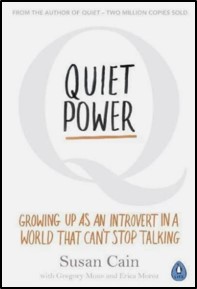
Quiet Power by Susan Cain – in a world that seems to celebrate and reward extroverted behaviour, we wanted to take the time in year 7 to shine a much-needed spotlight on the introvert. Written specifically for teenagers, this is a great book to support our introverted students as they start secondary school, and to help those who are more extroverted to understand that brilliance can sometimes be delivered in quiet packages. The book is an adaptation of ‘Quiet’ by the same author, which is a fantastic read too, and goes into much more details about how extroverted character traits became so dominant in our society.
Year 8
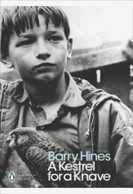
A Kestrel for a Knave by Barry Hines – this heart-warming tale follows Billy, a poor Yorkshire lad who discovers and trains his very own kestrel. The book is a cherished classic which will expand students’ knowledge of nature vocabulary (especially important, given our urban surroundings), whilst also exposing them to the difficulties poverty can generate. We hope students can draw comparisons between opportunities available through school for Billy, and those (much broader) opportunities available to them today.
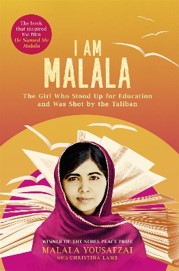
I Am Malala by Malala Yousafzai – a young woman who needs no introduction, this book was one of the firm choices very early on. She’s an inspiration to us all, and her book will expose our students to the cultures, traditions and history of a region they may have only heard about in short, subjective news stories. As a result, we hope to expand their knowledge of the ideologies and events that are continuing to shape their world today.
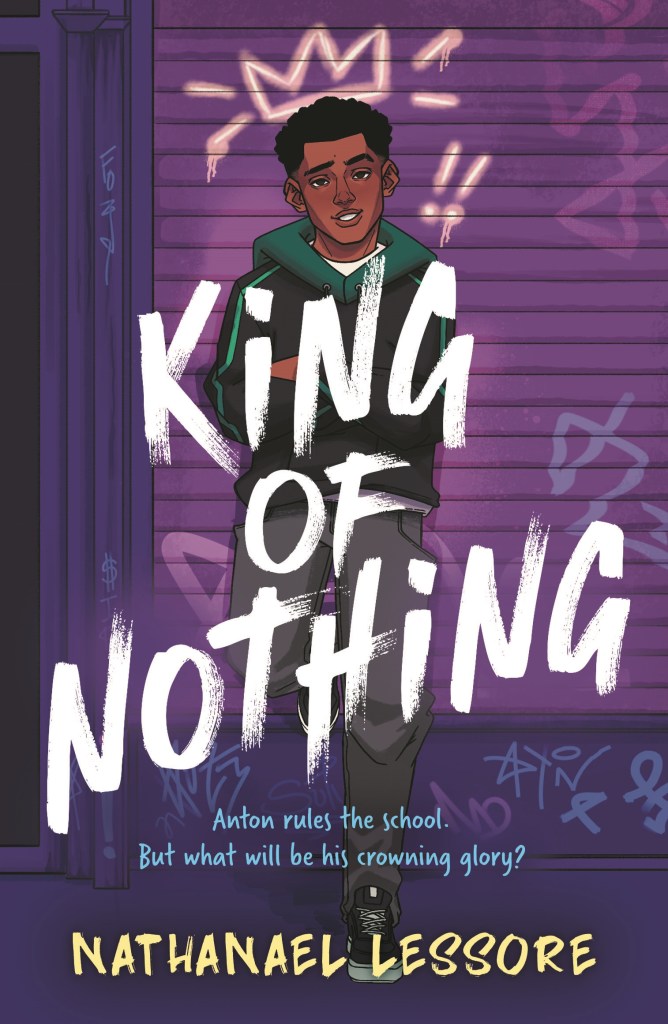
King of Nothing by Nathanael Lessore – This book explores adolescent identity in teenage boys. About finding out what is truly important and making the right choices to move on to better things. A new modern classic.

I Must Betray You by Ruta Sepetys – this book will support students’ understanding of communism (a core concept in the history curriculum) by giving them a direct insight into the lives of fictional teenagers in communist Romania. We learnt a lot from reading this thriller that’s extremely hard to put down! If you or your child likes this, please ask our librarian Mrs J Hale for more dystopian recommendations.

The Giver by Lois Lowry – Lowry’s classic Young Adult dystopia explores themes of delusion and inner courage as twelve year old Jonas begins to question the seemingly perfect society that he has grown up in.
Year 9

Talk Like Ted by Carmine Gallo – we know our students are filled with rich ideas and brilliant thoughts about the world we live in. Being able to express these in our fast-paced society is essential: we want our students to be heard in their communities – regardless of the size of the stage. This book will expand our students’ understanding of rhetoric and its power – and of human psychology – whilst also giving them very practical advice on how to craft a speech or presentation. As such, it will also support them in all areas of the curriculum. Students will be introduced to the concept of ‘reading to learn’ during this year, and this book will be integral to this.

How to Change Everything by Naomi Klein – we know that our students worry about climate change: our Oxwell survey results made this very clear. Klein aims to educate young people on climate change whilst also celebrating those who are activists. Our students will learn ‘how to change’ the world around them one small step at a time. The book will expand their knowledge of climate change beyond that of our curriculum, whilst also supporting them in their geography and science lessons.
All the Light We Cannot See by Anthony Doerr – this was one of the most highly-recommended books for the programme and has entered the heart of everyone who’s read it. You know a book is great when someone stops you on a train to tell you it’s the best book they’ve read in a long time. We think we’re being cruel only letting students read it three days a week! Set during WW2, the book will support students with their history curriculum but will also give them an insight into how war impacts children, the value of technology, the importance of competence and the necessity of doing the right thing, even when it may cost you everything. Marie-Laure Leblanc, the book’s French, blind protagonist will expand our students’ appreciation of what it means to be brave.
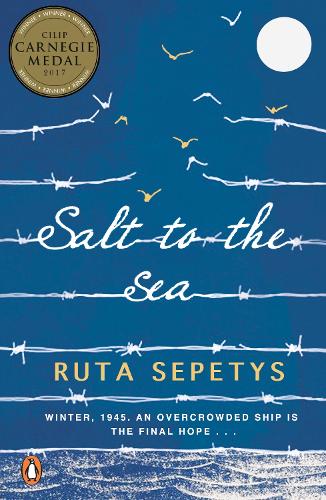
Salt to the Sea by Ruta Sepetys – Winner of 2017 CILIP Carnegie Medal.
It’s early 1945 and a group of people trek across Germany, bound together by their desperation to reach the ship that can take them away from the war-ravaged land. Four young people, each haunted by their own dark secret, narrate their unforgettable stories…
Ruta Sepetys devoted three years of research into what still remains the worst maritime disaster in history, the sinking of the German military transport ship the Wilhelm Gustloff in 1945. Some 9,400 lives were lost.
Salt to the Sea picks up on four of those lives, a group of young people desperate to flee Germany by any means, even if this is a dangerously overcrowded vessel in a Baltic port.
Sepetys’ account is personal and unflinching.

The Call of the Wild by Jack London
Survival. Instinct. Freedom.
Venture into the heart of the untamed wilderness with The Call of the Wild, Jack London’s timeless masterpiece of adventure, loyalty, and raw primal power. Follow the gripping journey of Buck, a domesticated dog, ripped from his comfortable California home and thrust into the harsh, unforgiving Yukon during the Klondike Gold Rush. As Buck battles the brutal forces of nature and encounters savage men, he embarks on a journey that awakens long-buried instincts, driving him towards his ultimate destiny: answering the call of the wild.
London’s evocative prose and vivid imagery capture the brutality and beauty of the wilderness, while delivering an unforgettable story of survival and transformation. This thrilling novel will keep you on the edge of your seat as Buck grapples with the forces that seek to break him—only to emerge stronger, more resilient, and truly free.
A must-read for adventure seekers, nature lovers, and anyone fascinated by the wild heart of nature.
Year 10

The Sign of Four by Arthur Conan Doyle – the seminal and classic detective story. Students will read this classic Sherlock Holmes novel.
Small Things Like These by Claire Keegan – it’s hard to explain this choice without spoiling the book! Set in Ireland in the 1980s, this short novel will support students in their understanding of the importance of everyday details in their stories, and teach them that small acts can have massive consequences.
The School of Life by Alain De Botton – we’ve long been fans of The School of Life, whose videos are readily available on YouTube, and who aim to expose humans to the lessons than really matter in life. This book will expand students’ knowledge of their emotional intelligence and understanding of themselves. It will support them with the vocabulary required to speak about their feelings and to understand themselves. Given the personal nature of this book, we are giving students the opportunity to shape their reading experiences: they will be sent a survey in which they can vote for the sections they want to read most.
Please note that we have decided that some of the relationships elements of this book are unsuitable for our students and we will only be reading extracts of that section.

Talking to My Teenage Daughter About the Economy by Yanis Varoufakis – this book will lay the foundations of financial literacy that we will build on in year 11 with Rich Dad Poor Dad. It will expose students to knowledge about the history of capitalism – how we came to farm and to invent money – whilst also prompting them to reflect on the benefits and limitations of the system they will operate under as adults.
Year 11

Glasgow Boys by Margaret McDonald – A moving story of love and family in all manners and modes. Finlay and Banjo are estranged friends who have both grown up in the care system. Finlay is at university studying nursing, but has little support around him. Banjo is still at high school and is struggling in his new foster home. The two come together in a coming-of-age story full of resilience and courage.
The dual narrative works incredibly well, giving the story forward momentum with flashbacks providing an effective narrative device to provide perspectives on the past. The writing offers an incisive exploration of masculinity and mental health. Despite its gritty realism, a sense of optimism radiates throughout. The focus on touch highlights just how deprived of human connection children in the care system can be. Measured, tender and memorable, Finlay and Banjo stay with readers long after the final pages are turned.
I May Be Wrong by Björn Natthiko Lindeblad – this book will serve as an antidote to the finance-driven Rich Dad Poor Dad, exploring the spiritual life of a man who gave up a high-powered job to become a monk. The book will support students’ understanding of Buddhism and the role spirituality can play in enriching our lives. It will expose them to a different way of living beyond the fast-paced, materialistic lifestyles we often experience today.
How to Live in the City by Hugo Macdonald – we were very keen to choose a book that celebrated the wonderful city we live in. Our city thrives because our citizens appreciate the wonderful souls it homes. Although this book isn’t specific to Liverpool, it does prompt our students to expand their knowledge of what it means to be at home in the city; how they can thrive here and how they can master their surroundings. An urban environment can feel unnatural at times, but this book will prompt students to consider how they can be their best in their city; how they can utilise the energy of Liverpool, but also consider how they can look after themselves and find balance in the fast-paced environments cities offer.
 The Home of our curriculum